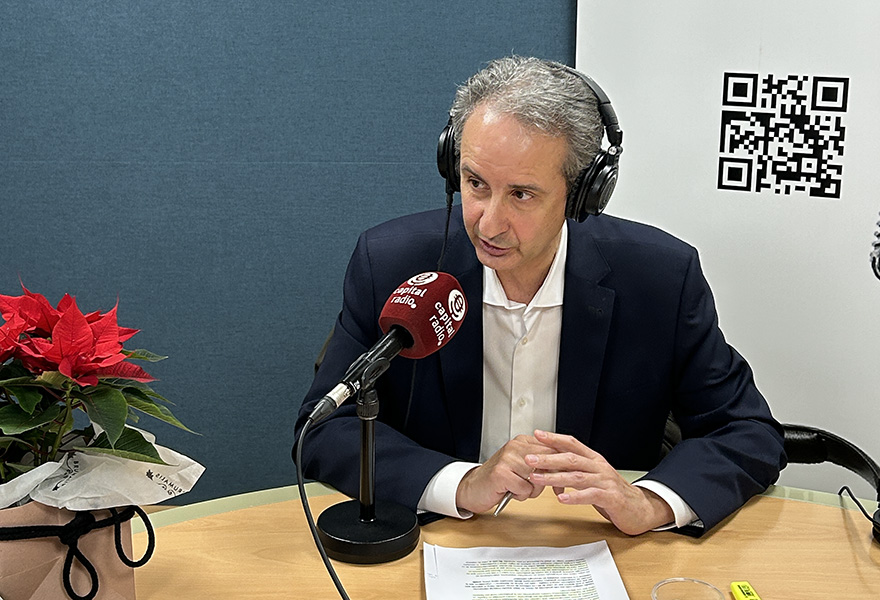
We analyzed the structural challenges facing the Spanish healthcare sector following our manager, Oscar M. Jordan’s, appearance on Capital Radio. At Hersill, we champion domestic manufacturing, regulatory fairness, and specialized talent as cornerstones for competing in a globalized market without compromising quality or technological sovereignty.
The Healthcare Sector in Spain: A Highly Complex Scenario
Currently, the Spanish healthcare industry It operates in an increasingly complex environment. Globalization has opened doors, but it has also created significant imbalances.
From Hersill we observe how factors such as regulatory disparity and fiscal asymmetries between countries condition the competitiveness of those of us who decide to keep our productive infrastructure in national territory.
Regulatory and Fiscal Imbalances in the Global Market
As our manager, Oscar M. Jordan, explained in the program Health Value At Capital Radio, we don’t always compete on a level playing field.
- Normative asymmetries: Spanish companies comply with extremely rigorous quality and safety standards.
- Operating costs: Producing under the European labor and tax framework implies a higher cost structure than that of competitors in offshoring markets.
- Unfair competition: The entry of large multinationals with more lax regulations puts downward pressure on prices, often overlooking the value of local engineering.
The Value of Medical Manufacturing “Made in Spain”
Despite these barriers, in Hersill we reaffirm our commitment to design and medical technology manufacturing In Spain, we have been committed to developing our own technology for over five decades because we believe that technological sovereignty is vital for the healthcare system.
Strategies for Leading the Healthcare Technology Sector
To counter the pressure from large international manufacturers, we base our model on three differentiating factors:
- Continuous Innovation: We don’t compete just on volume, but on the precision and safety of our equipment.
- Proximity and Service: Our close relationship with healthcare professionals allows us to offer customized solutions and an immediate technical response.
- Fiscal and Social Responsibility: We contribute directly to the country’s economic development, generating quality employment and local wealth.
Human Talent: Our Engine of Innovation
One of the biggest strategic challenges we face is attracting specialized talent. Sanitary engineering requires highly qualified technical professionals. In our organization, we believe that the stability and development of our teams are fundamental to maintaining the excellence that defines us.
Driving the Future of Medical Technology
The healthcare industry should be valued for its strategic contribution and not solely based on price criteria. Hersill we will continue working to ensure that Spanish medical technology is synonymous with trust and cutting-edge technology worldwide.
Would you like to learn more about our technological solutions or collaborate with us? We invite you to explore our [product catalog] or to contact our team of experts through our [contact form].
Frequently Asked Questions (FAQs)
- What challenges does the Spanish healthcare industry currently face? The main challenges include unequal competition with offshoring markets, fiscal asymmetries, and the difficulty in attracting qualified technical talent in healthcare engineering.
- Why is it important to maintain the manufacture of medical equipment in Spain?It guarantees greater quality control, promotes the technological sovereignty of the health system, and contributes to the country’s economic and social growth through specialized employment.
- How does Hersill compete against large multinational companies in the healthcare sector? Our strategy is based on constant innovation, customer proximity, and an unwavering commitment to regulatory rigor and patient safety.