At Hersill, we believe that emergency training should take place in realistic settings using real medical technology. Together with Salvador Espinosa, we examine how clinical simulation, training in complex scenarios and the use of standard medical equipment improve the preparedness of healthcare professionals.
Emergency training requires real-life scenarios
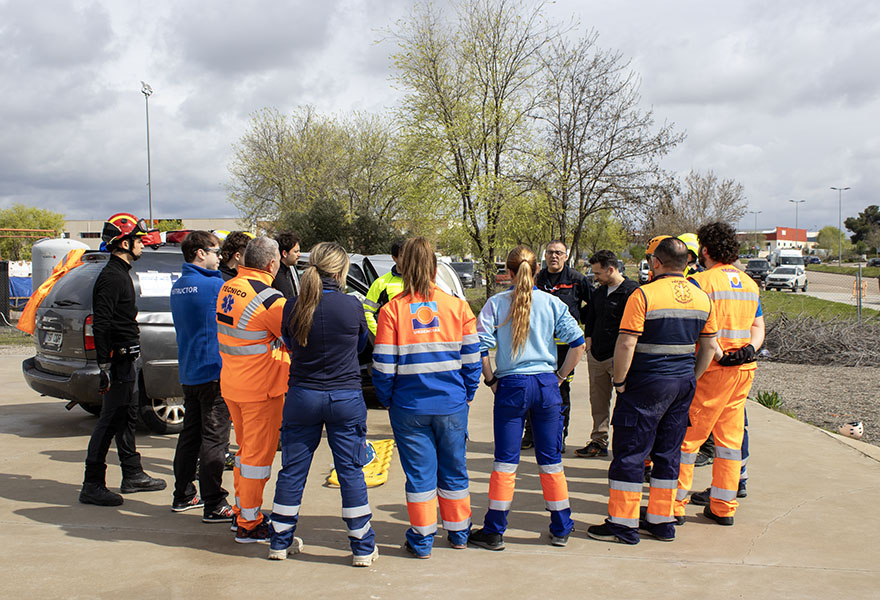
In healthcare emergencies, there is a growing need for practical models capable of simulating real-life clinical situations. In this context, SEMES is organising the ECAE Conference —Emergencies, Disasters, Learning and Evidence— with a clear focus on simulation and continuing professional development.
The scientific evidence shows that critical skills, particularly those of a complex psychomotor nature, deteriorate significantly over a period of 6 to 12 months in the absence of regular practice. To counteract this phenomenon, training should be based on spaced repetition through simulation. Simulation is not merely an educational tool, but a safety strategy that allows the chaos of an emergency to be recreated in a controlled environment.
At Hersill, we share this view: healthcare technology is most valuable when it can be used in learning environments that closely resemble real-life situations.
The value of learning from different healthcare settings
One of the cornerstones of ECAE is the diversity of professional backgrounds represented in each training course. The exchange of experiences and knowledge among professionals from different fields of emergency response, rescue and civil protection helps to enhance the ability to respond to critical situations.
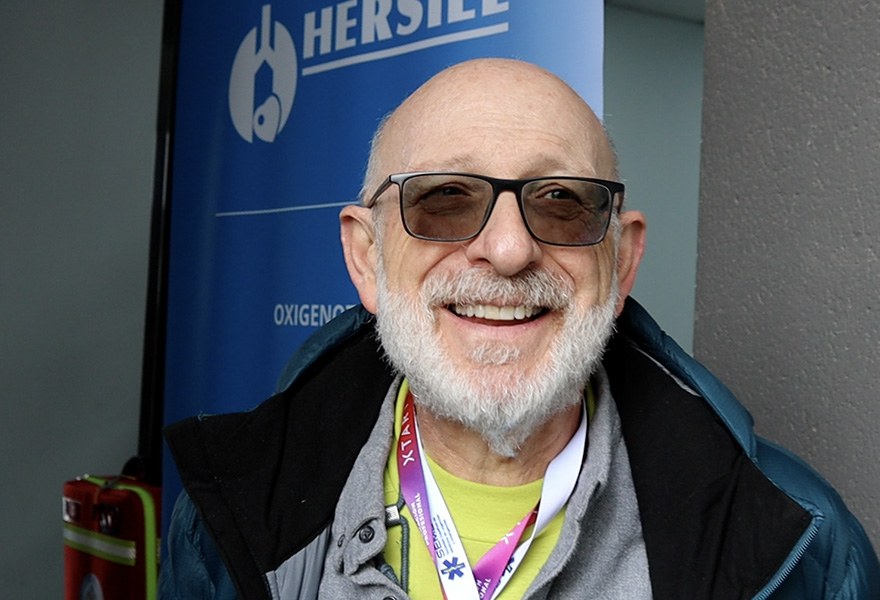
Salvador Espinosa, Emergency Doctor at SUMA 112, Secretary for Emergency Services at SEMES and organiser of the ECAE Conference
For Salvador Espinosa — an emergency doctor with SUMA 112, Secretary for Emergencies at SEMES and organiser of the ECAE Conference — one of the project’s key distinguishing features lies in combining the expertise of specialist trainers with the experience of the professionals themselves who take part in the training sessions. “The aim is to complement the training from a practical perspective based on shared experience,” he explains.
Some of our specialities include:
- Hospital services professionals
- Urban emergency teams
- Care services in rural areas
- Maritime and mountain rescue equipment
This diversity makes it possible to analyse how certain medical procedures or equipment perform in different healthcare settings. “It’s not just a theoretical lecture. These are the experiences of professionals working in very different settings, who offer a highly valuable practical perspective,” notes Salvador.
Complex scenarios with low prevalence
Formal training usually focuses on the most common situations. However, there are scenarios where where the condition is rare but extremely serious, requiring highly specialised training.
According to Salvador Espinosa, it is essential to create specific training opportunities to address complex situations such as:
Traumatic Cardiac Arrest: Precision under Stress
“Traumatic cardiac arrest is very complex to manage and requires specific training” says Salvador. Unlike a medical arrest, here the speed of decompression or controlling bleeding is vital.
Resuscitation in Special Situations
- Drowning: Rescue and stabilisation of a person following a fall into a public swimming pool or natural body of water.
- Confined Spaces: Emergency medical care for a worker trapped in an industrial tank or a hard-to-access underground tunnel.
- Severe Hypothermia: Stabilisation of a victim found unconscious following prolonged exposure to sub-zero temperatures.
- Mountain Rescue: Evacuation and ventilation of a climber with severe trauma on a hard-to-reach rock face.
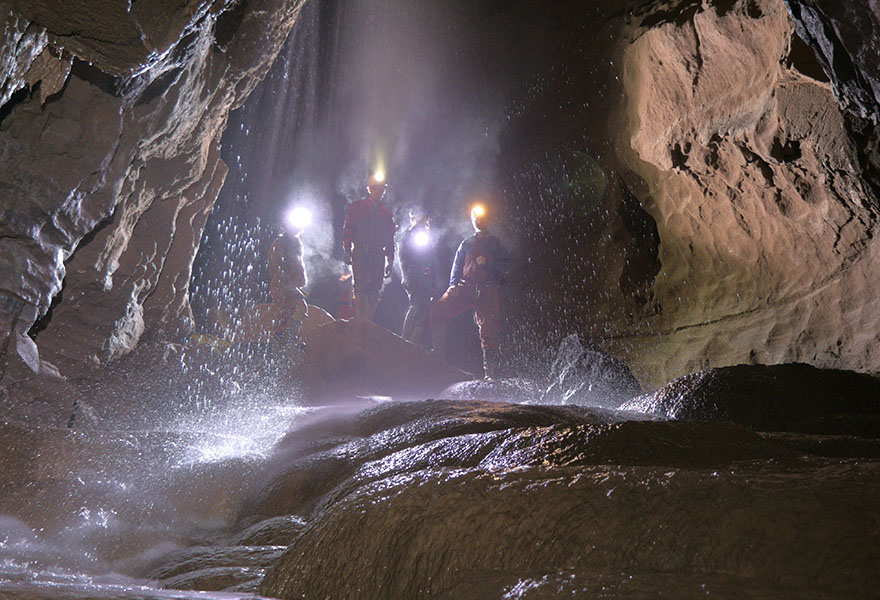
Rescue operation in a high-risk mountain area that is difficult to access and has poor visibility
Clinical simulation and the use of real equipment
Drawing on years of experience in clinical simulation, Salvador Espinosa argues that training should be carried out using the same equipment that professionals use in their daily practice: “You can’t train with equipment that bears no resemblance to the real thing.”
This philosophy aims to minimise the cognitive load on healthcare professionals during an emergency. If a doctor or nurse is faced with a life-threatening situation, such as a traumatic cardiac arrest, they cannot afford to devote mental resources to figuring out how to use a transport ventilator with an interface different from the one they are used to. Tactical and visual familiarity, as well as familiarity with the features offered by the equipment—defibrillators, ventilators, infusion pumps—allows the brain to focus exclusively on resolving the clinical problem and making critical decisions.
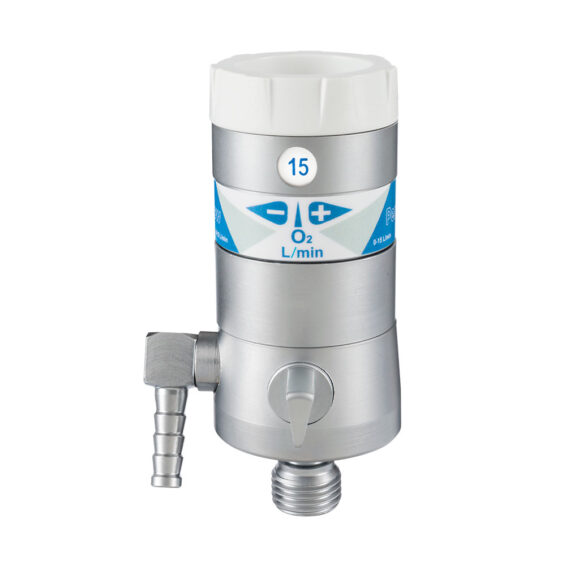
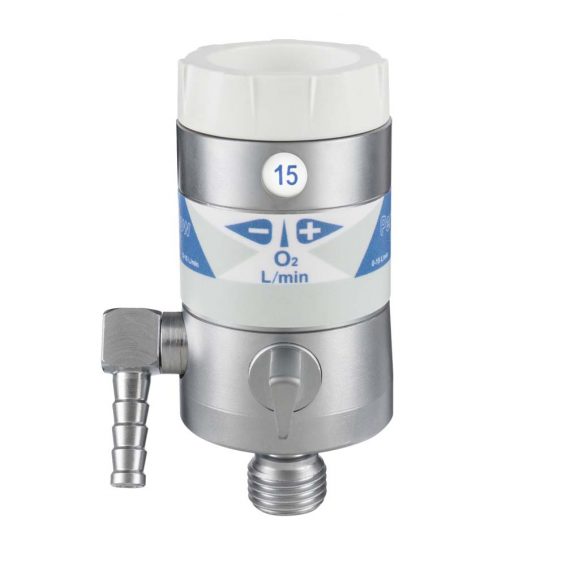
For this reason, the simulations make use of rucksacks, resuscitators and transport and emergency ventilators, which are commonly found in emergency services.
Working with real teams allows you to:
- Familiarise yourself with how the equipment works.
- Assess vital physical factors such as weight and ergonomics.
- Test the equipment’s performance in different scenarios.
- To improve decision-making in critical situations.
Salvador points out, “Having real equipment in a simulated environment makes the experience much more useful and closer to the reality of healthcare.”
Over three decades of contributing to healthcare training through medical technology
The partnership between Salvador Espinosa and Hersill began in 1993 and has been consolidated over more than three decades of working together in the fields of training and clinical simulation.
For us, working with professionals specialising in emergency care is an opportunity to continue improving and bringing healthcare technology to the settings where it really makes a difference.
If you’d like to find out more about our solutions for emergencies, ventilation and critical care, we invite you to browse our catalogue or contact our sales team.
Frequently Asked Questions (FAQs)
What is clinical simulation in emergency medicine? Clinical simulation is a training method that recreates real-life clinical scenarios to practise technical skills and decision-making in critical situations.
Why is it important to carry out practical training in emergency situations using medical equipment? Working with real equipment enables professionals to familiarise themselves with the technology they will use in their day-to-day work, thereby improving safety and responsiveness.
What are the benefits of training in complex scenarios? Training in complex, low-prevalence scenarios helps prepare healthcare professionals for critical situations that are rare but of great clinical significance.