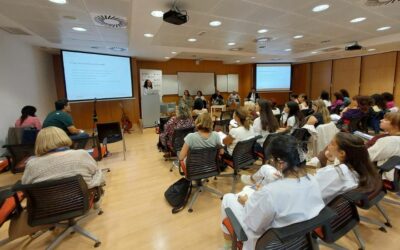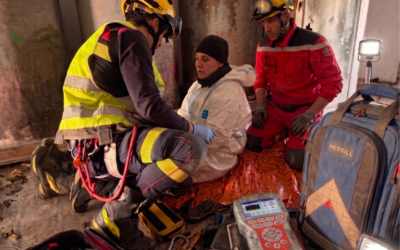
As part of the Provincial Conference for Nursing Care Technicians (TCAE) held at Vall d’Hebron Hospital, Hersill spoke to Cristian Monclús Saludes, Regional Secretary of SAE Catalonia, about the present and future of the profession. His speech focuses on three key areas: training, professional recognition and the essential role played by TCAEs within the healthcare system.
Training as the foundation of quality care
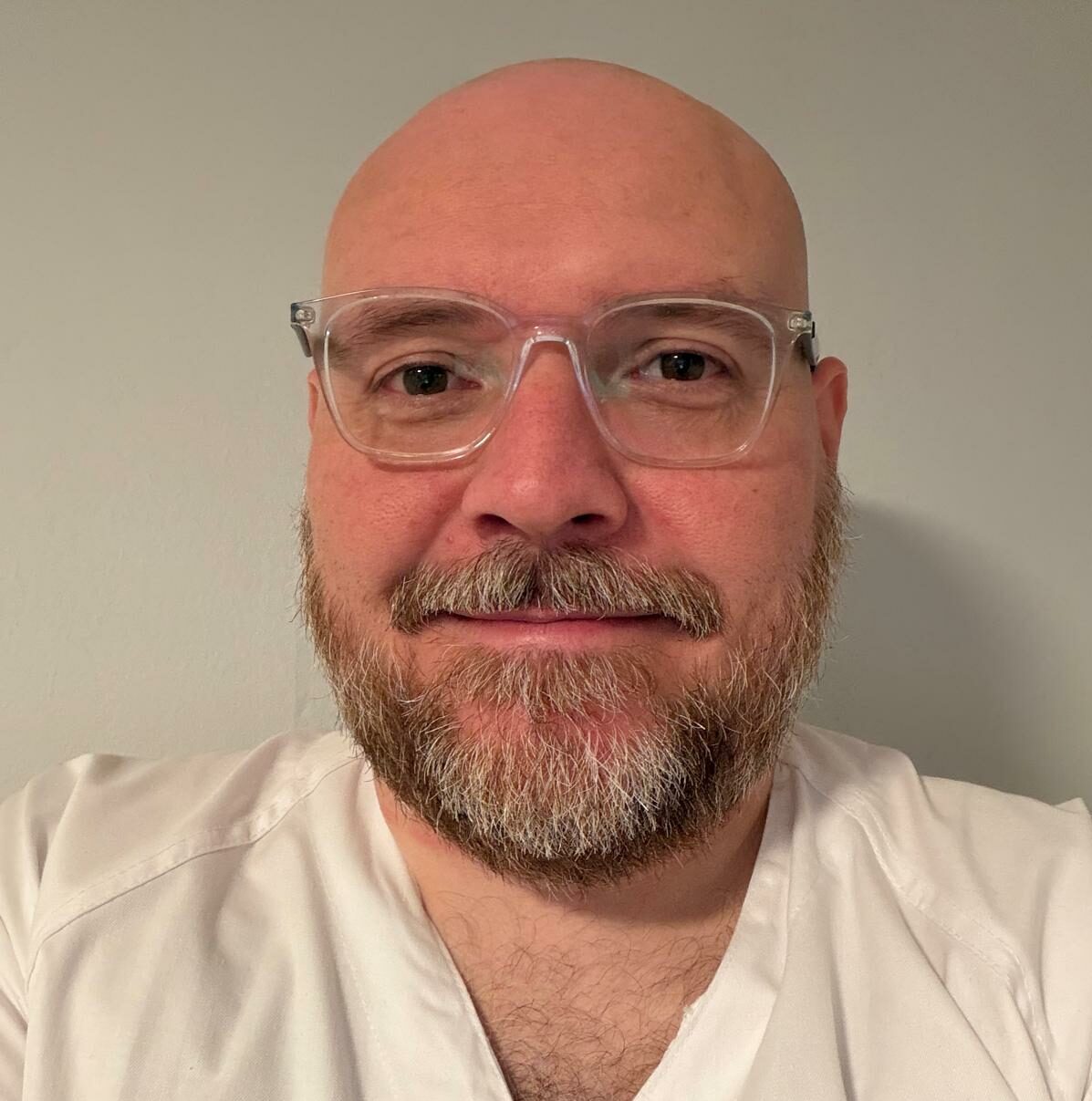
Cristian Monclús Saludes, Nursing Assistant
One of the clearest messages is the importance of continuous professional development as an essential element of healthcare practice. As Monclús points out, “without training, it is impossible to provide high-quality care”, an idea that sums up the need to continue promoting lifelong learning within the sector.
Training not only improves professionals’ performance, but also has a direct impact on the quality of care patients receive and on the efficiency of the healthcare system as a whole.
The role of the TCAE in day-to-day care
The testimony also highlights the vital role played by nursing assistants within the healthcare setting. Their close relationship with patients and their constant presence in their care place them in a key position within the care team. In fact, as Cristian points out, “the clinical care assistant is the person who spends the most time with the patient”, which gives them a unique ability to observe and monitor the patient—a skill that is essential to healthcare provision. Coordinated work between clinical care assistants and nursing staff is therefore a vital element in ensuring effective, high-quality care.
Current challenges: Adaptation and recognition
Among the main challenges, the need to update the roles of healthcare assistants to bring them into line with the current reality of the healthcare system is highlighted. In this regard, it is pointed out that “these roles have been defined since 1973 and do not reflect the current reality of the work”, which underscores the need to make progress towards professional recognition for this group.
This context is particularly relevant at a time when healthcare professionals are taking on increasing responsibilities within the healthcare sector.
A career with a future
Despite the challenges, the picture is clear: the TCAE is an indispensable part of the healthcare system. There are currently a total of 151,731 active TCAE professionals in our country. However, despite accounting for almost a third of clinical staff, the day-to-day reality in hospitals reveals that this group is facing a heavy workload.
According to the latest and most comprehensive trade union studies, there is a shortage of healthcare professionals: it is estimated that there is a structural shortfall of around 47,000 clinical nurses in the National Health Service to ensure optimal patient-to-staff ratios.
Technological advances will help to improve processes, but they will not replace the human element of care. As noted, “technology will help us, but it can never replace us”, highlighting the caring nature of the profession and the close relationship with patients as key distinguishing features of a profession that, now more than ever, needs to be strengthened.
Commitment to the sector’s development
At Hersill, we remain committed to initiatives that promote the training and development of healthcare professionals. By raising awareness of these ideas, we can continue to contribute to a healthcare system that is better prepared, more collaborative and patient-centred.
Discover the full content: find out more about this perspective on the present and future of the sector
🎥 Watch the full interview: Cristian Monclús, Nursing Assistant
Frequently Asked Questions (FAQs)
- What are the main duties of a healthcare assistant in today’s healthcare sector? A TCAE is responsible for providing auxiliary care to patients, including monitoring their general condition, maintaining hygiene standards and providing direct support to the nursing team; they are the healthcare professional who spends the most time in direct contact with patients.
- ¿Por qué es importante la formación continua para los técnicos sanitarios? Ongoing technical training is essential to ensure the highest quality of care, reduce errors in hospital settings and equip staff with the skills to use new advanced medical technologies correctly.
- How does technology affect the career prospects of TCAE staff? Technology acts as a clinical aid that optimises workflows and improves safety, but it will never replace the empathy, human judgement and quality of face-to-face care provided by the nurse at the patient’s bedside.